Le meraviglie del Cosmo no sempre sono visibili dalla Terra. I potenti strumenti a disposizione dell’Agenzia Spaziale Statunitense ci offrono però un punto di vista privilegiato
Astronomy Picture of the Day Archive, spesso abbreviato in APOD, è uno degli archivi divulgativi più longevi della NASA. Dal 16 giugno 1995 pubblica ogni giorno un’immagine legata all’astronomia – fotografie di telescopi spaziali e terrestri, pianeti, nebulose, galassie, fenomeni atmosferici, simulazioni o immagini realizzate da astrofotografi – accompagnandola con una breve spiegazione scritta da astronomi professionisti. Ecco la nostra selezione (galleria in aggiornamento continuo)
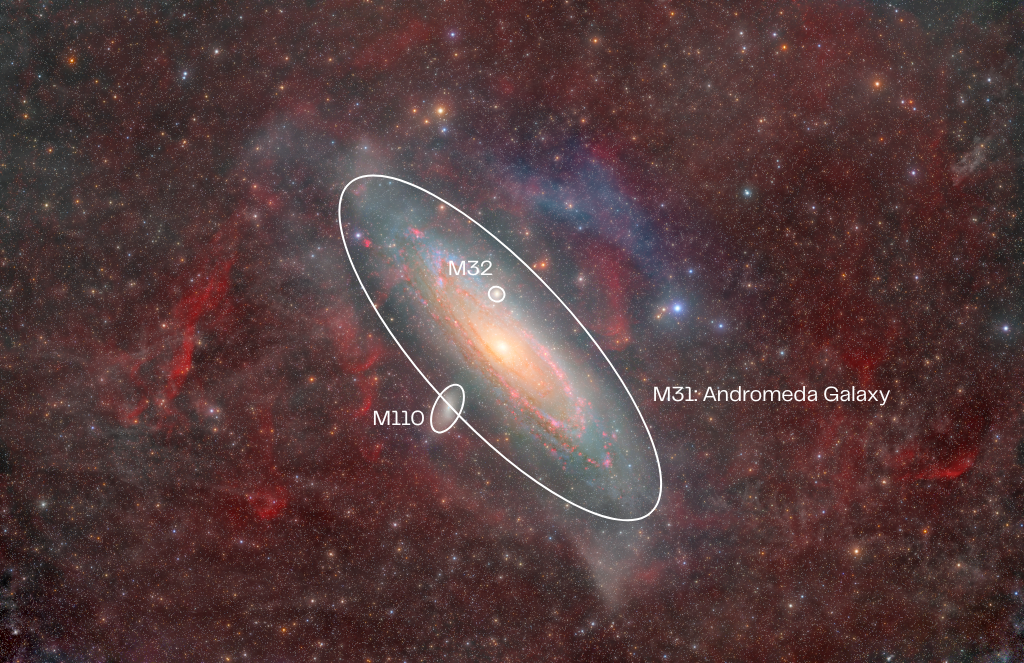
andromeda_labels_1024
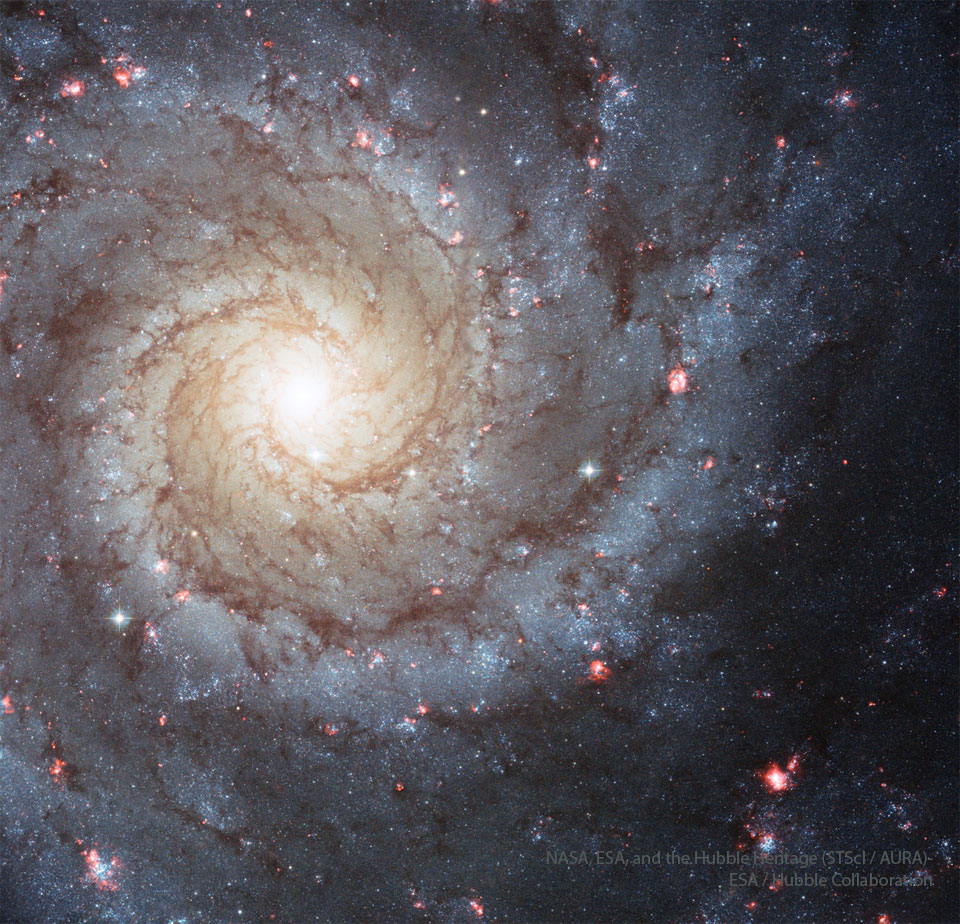
m74_hst_960
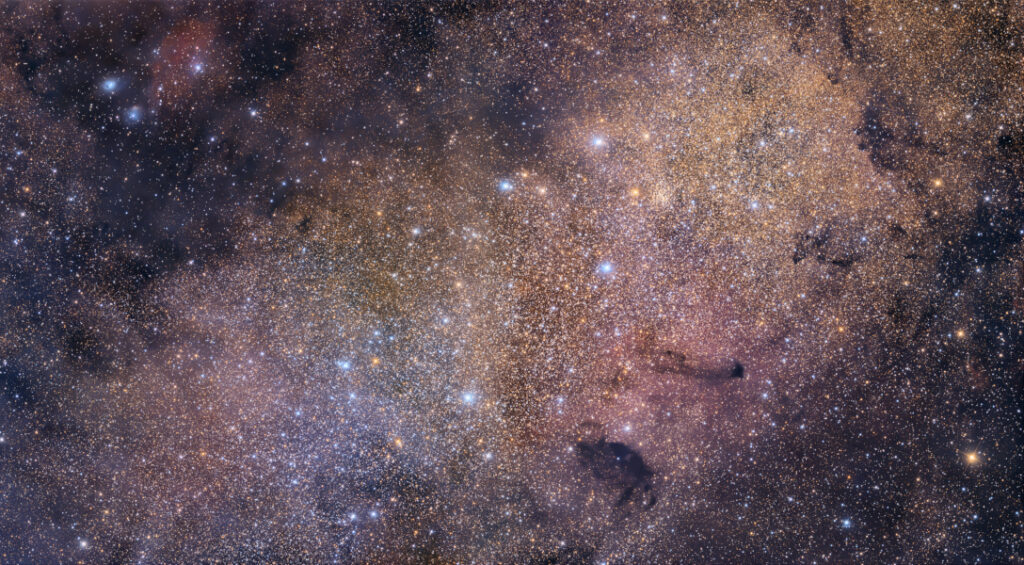
M24_1088
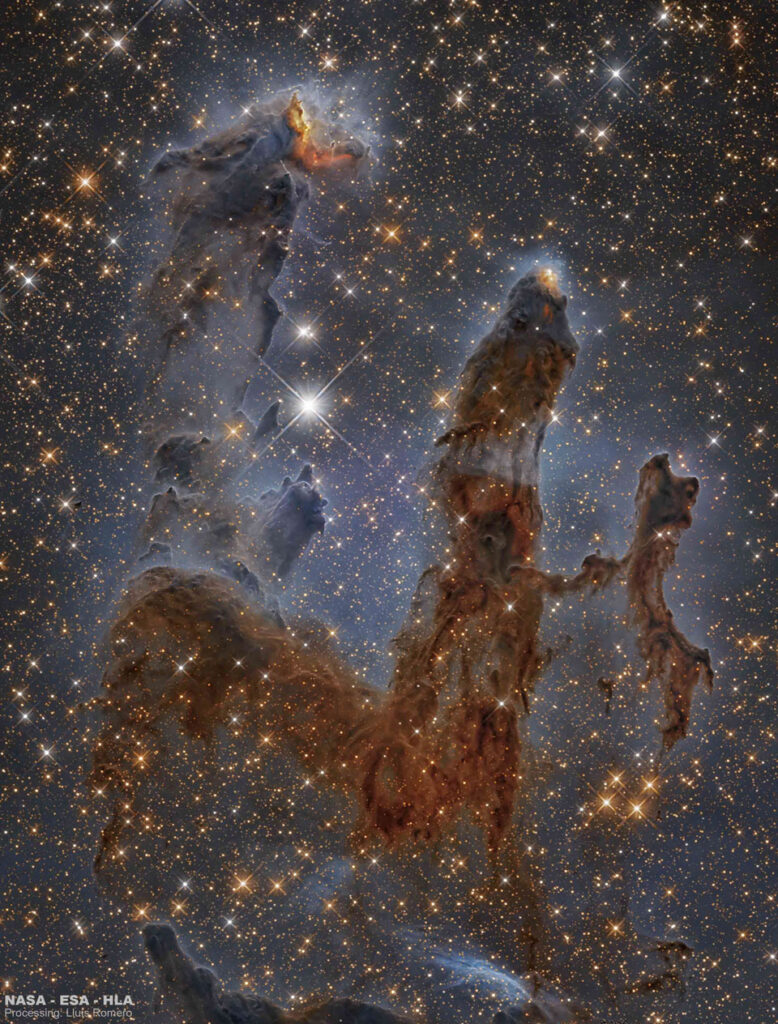
M16Ir_HubbleRomero_960
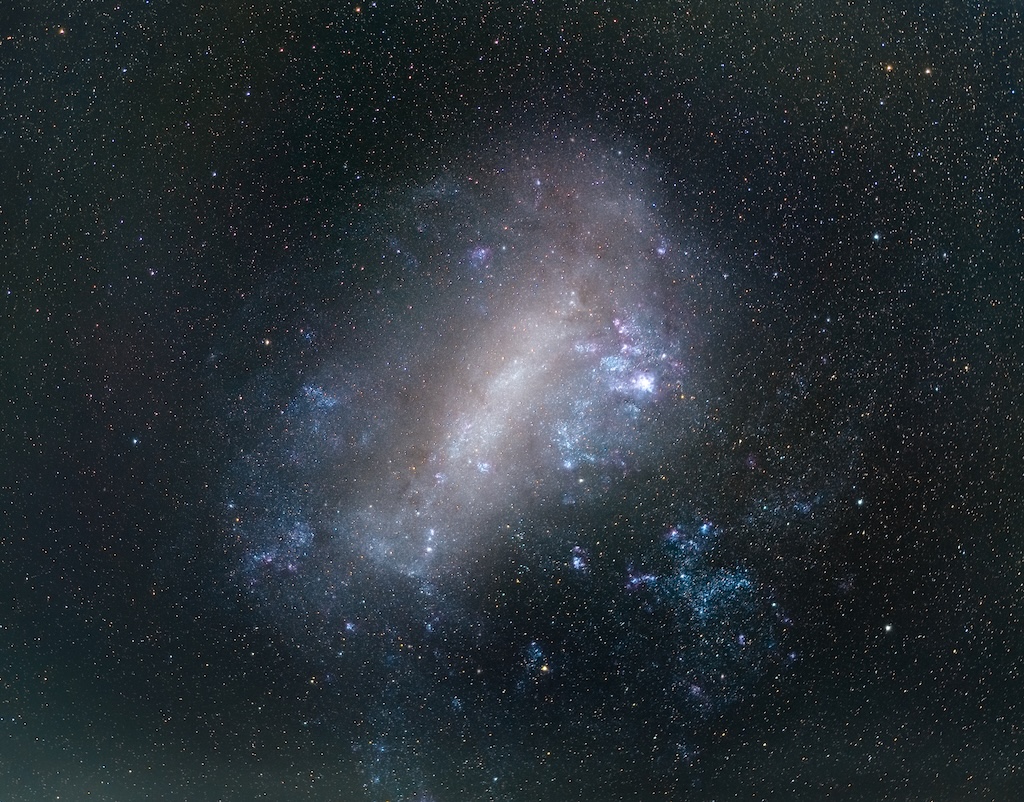
LMC_1024
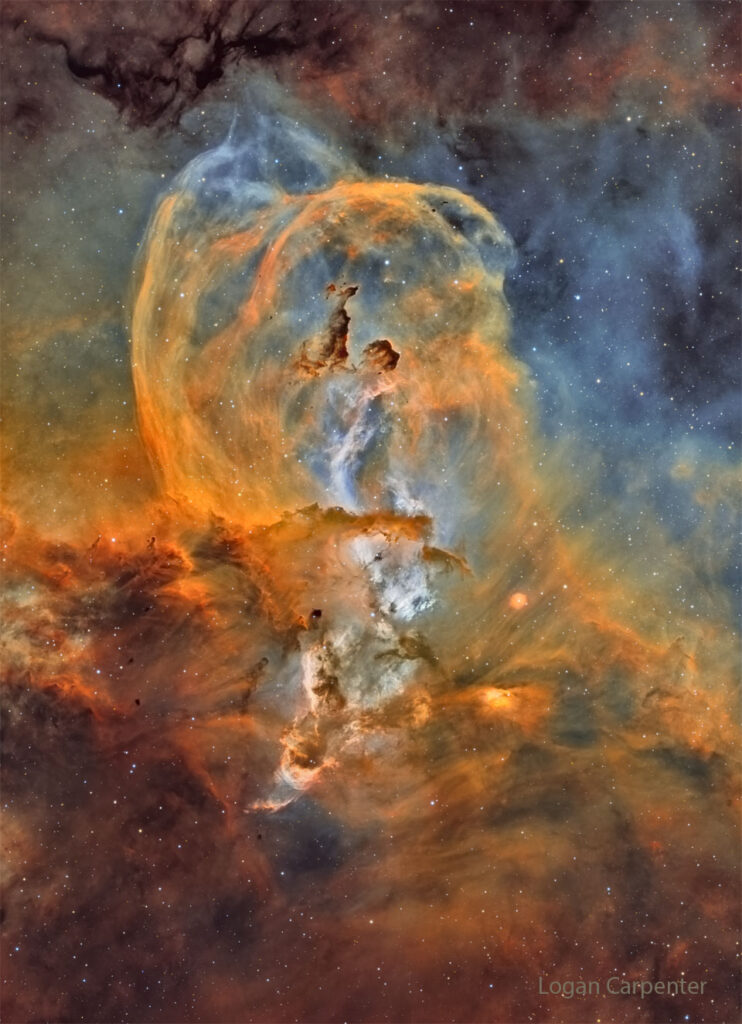
LibertyNeb_Carpenter_960
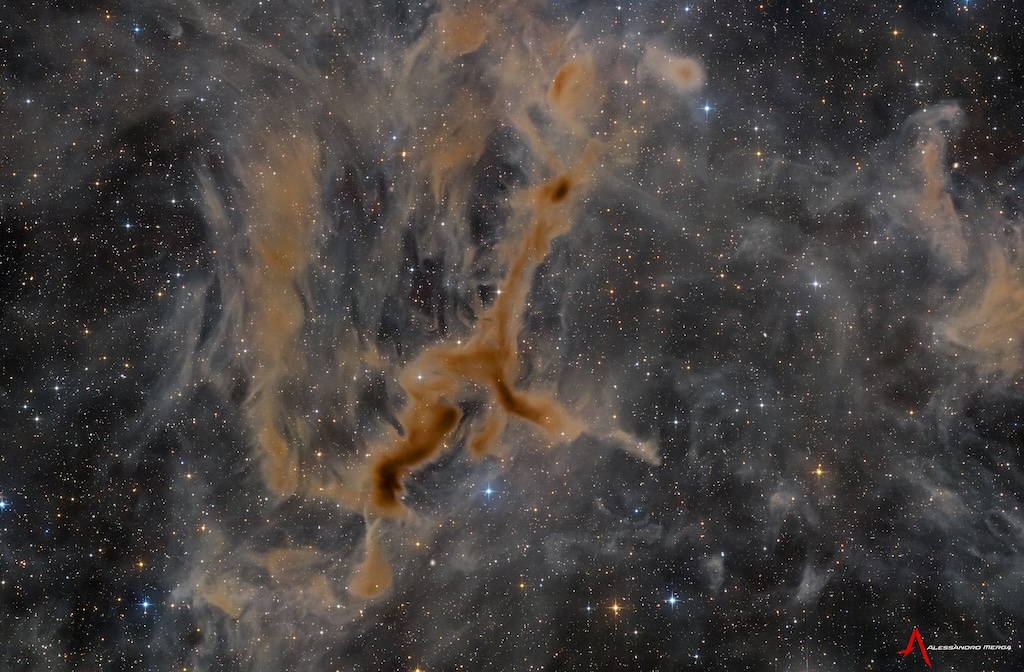
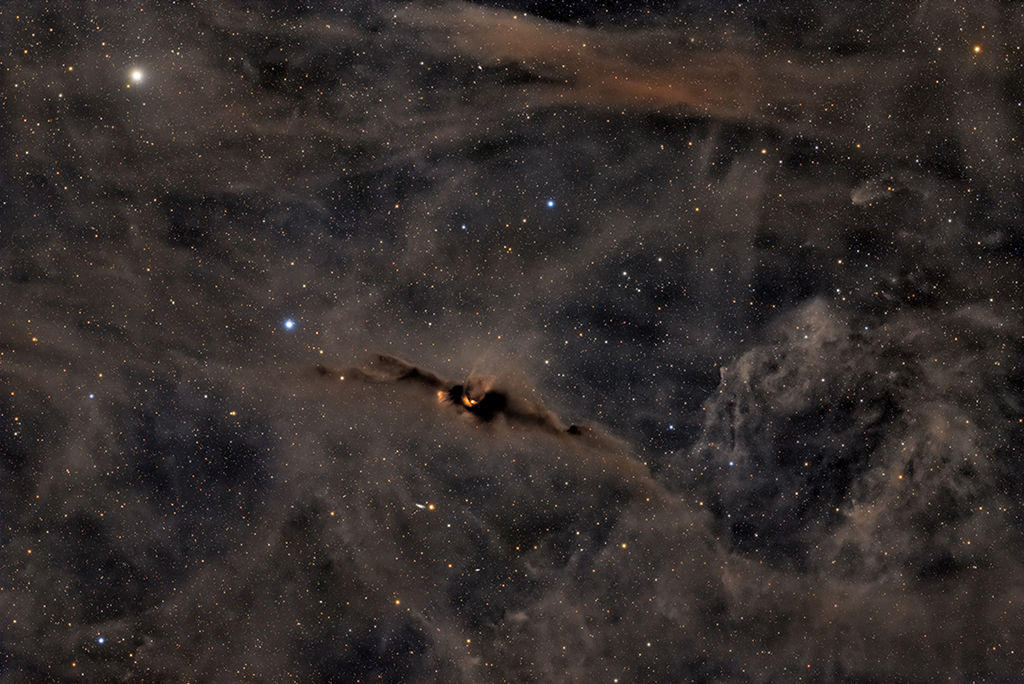
LDN1295_giraffe_1024
IMG_5201_sgarbossa1024
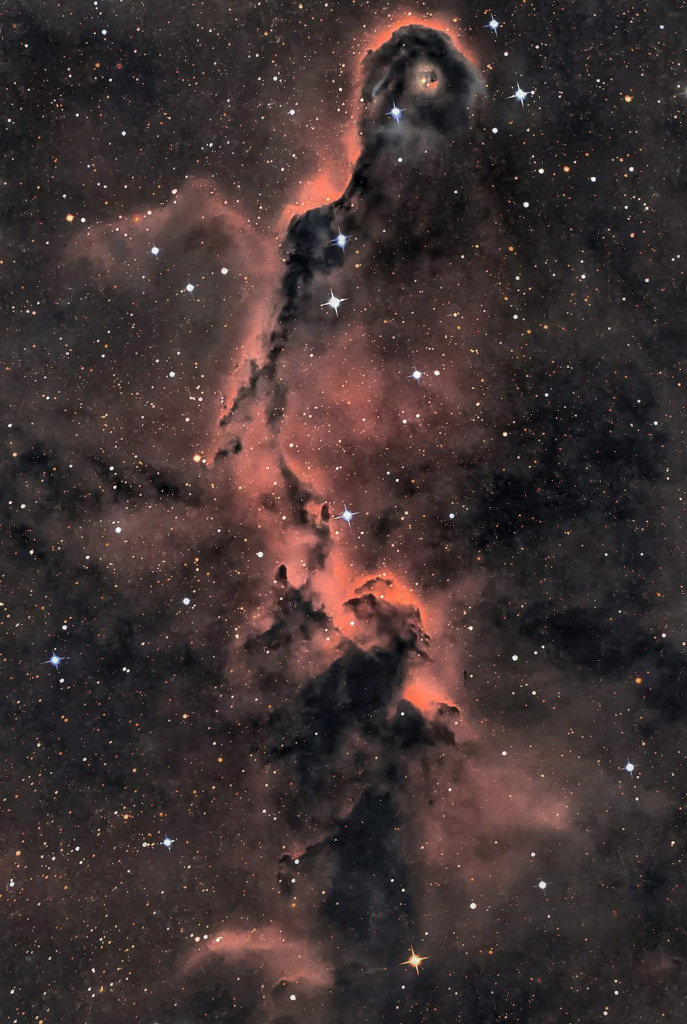
DARK-DOODAD_1024
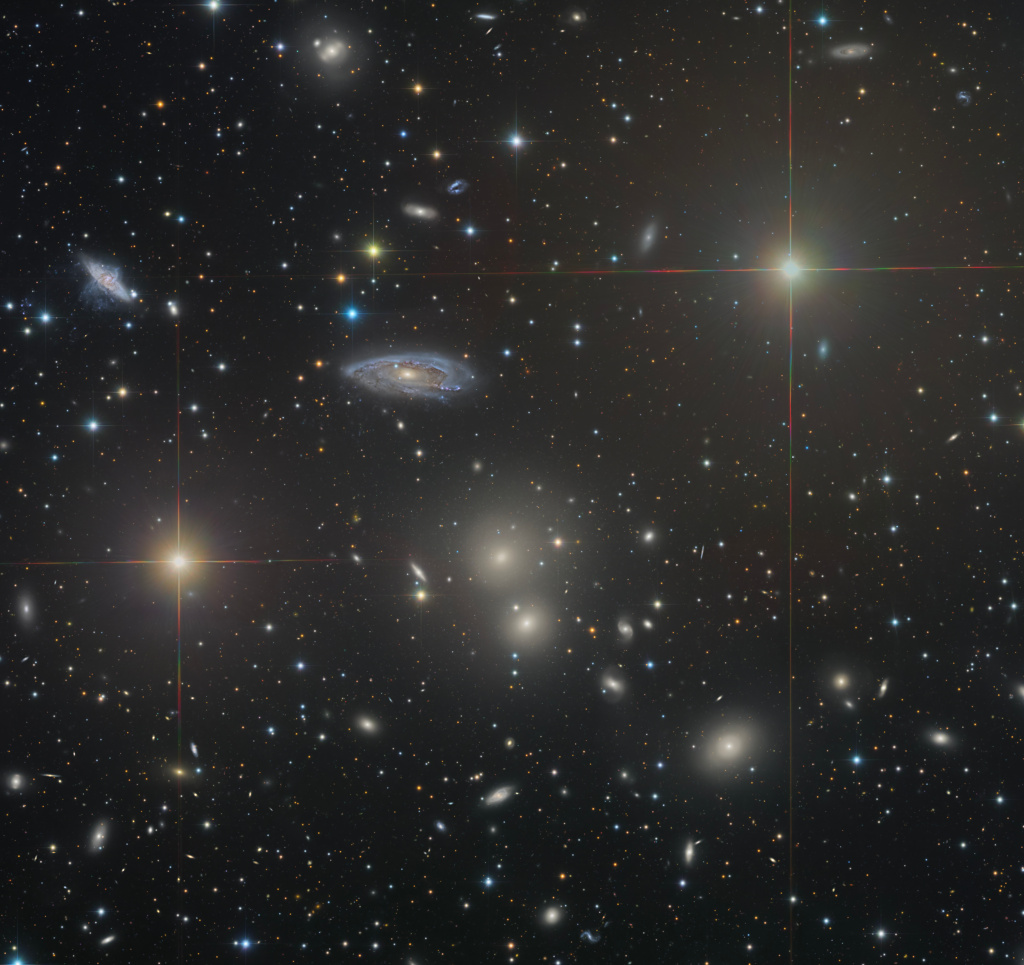
HydraClusterSampaio1024
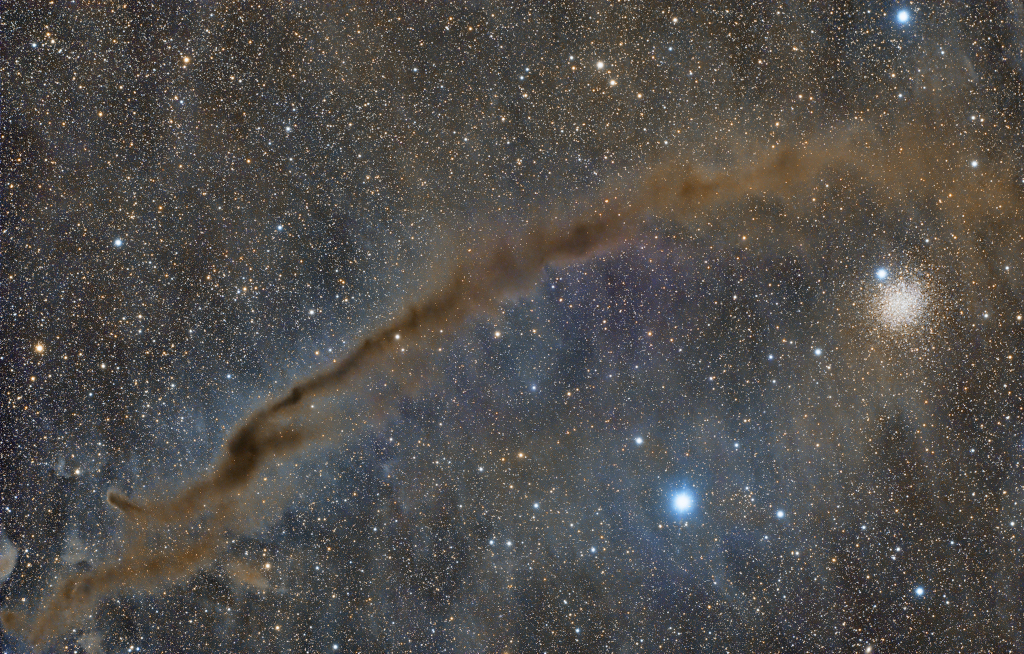
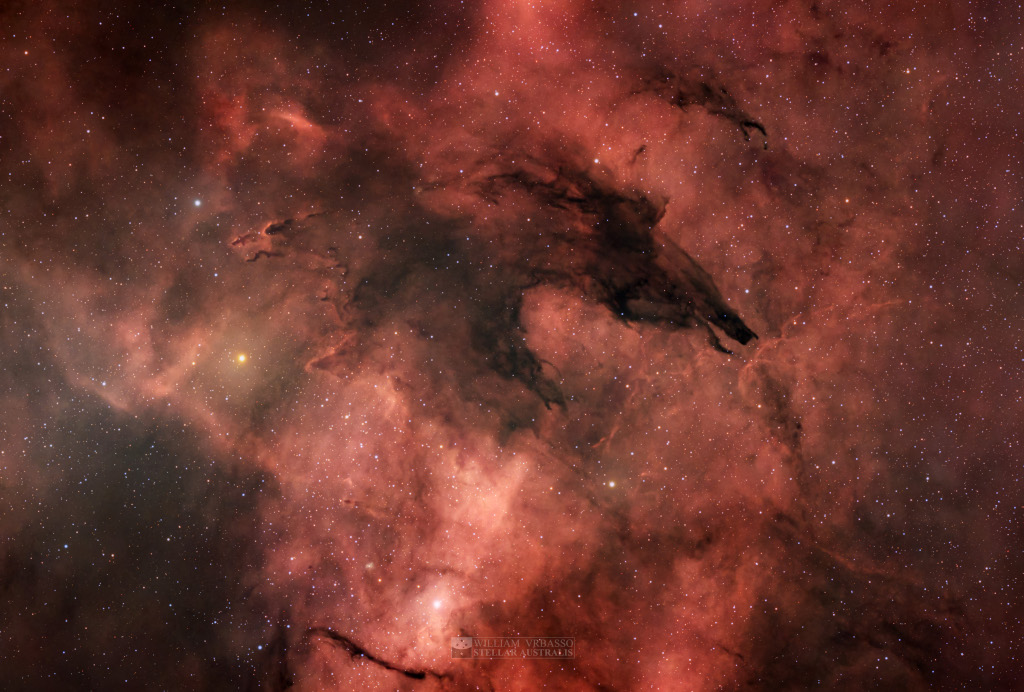
dark_wolf_1024
cosmic_bat_1024
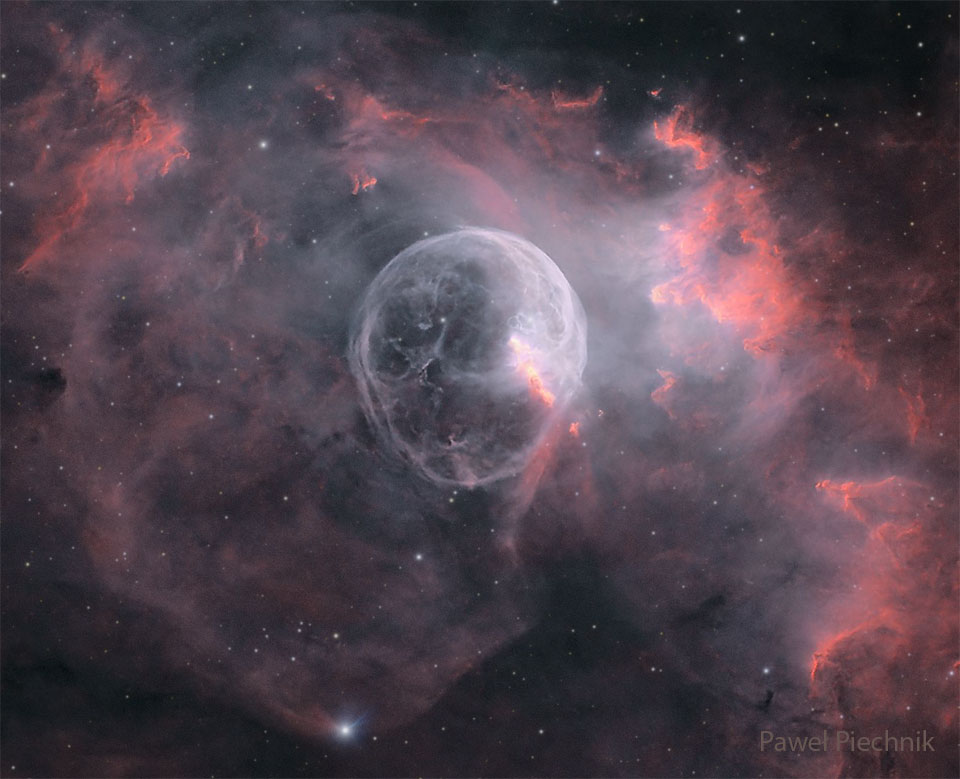
Bubble_Piechnik_960
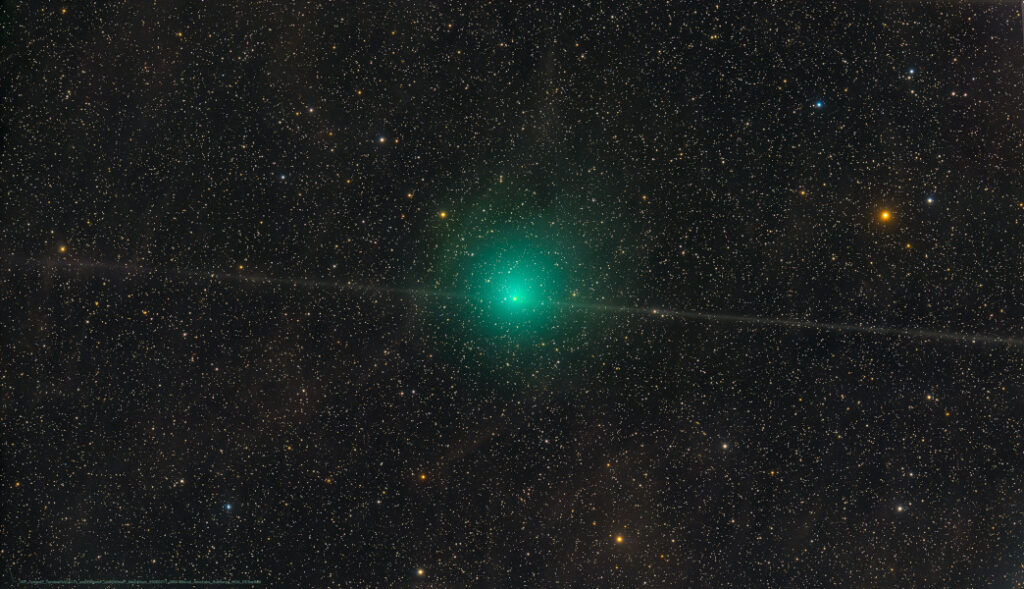
10P_Tempel2_20260711_DEBartlett1024
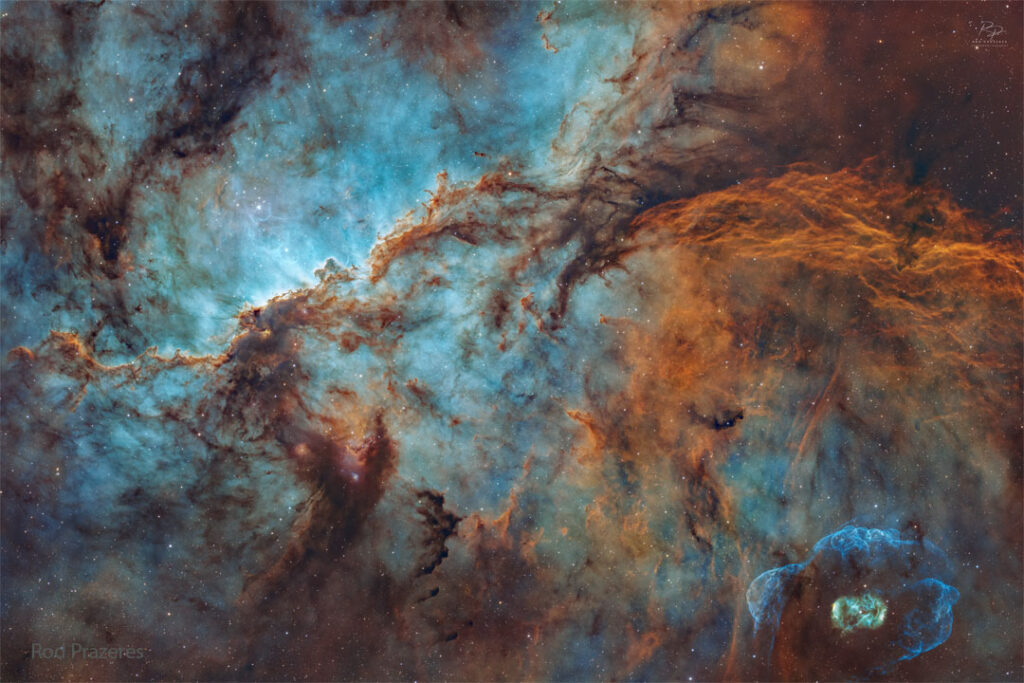
AraDragons_Prazeres_1080
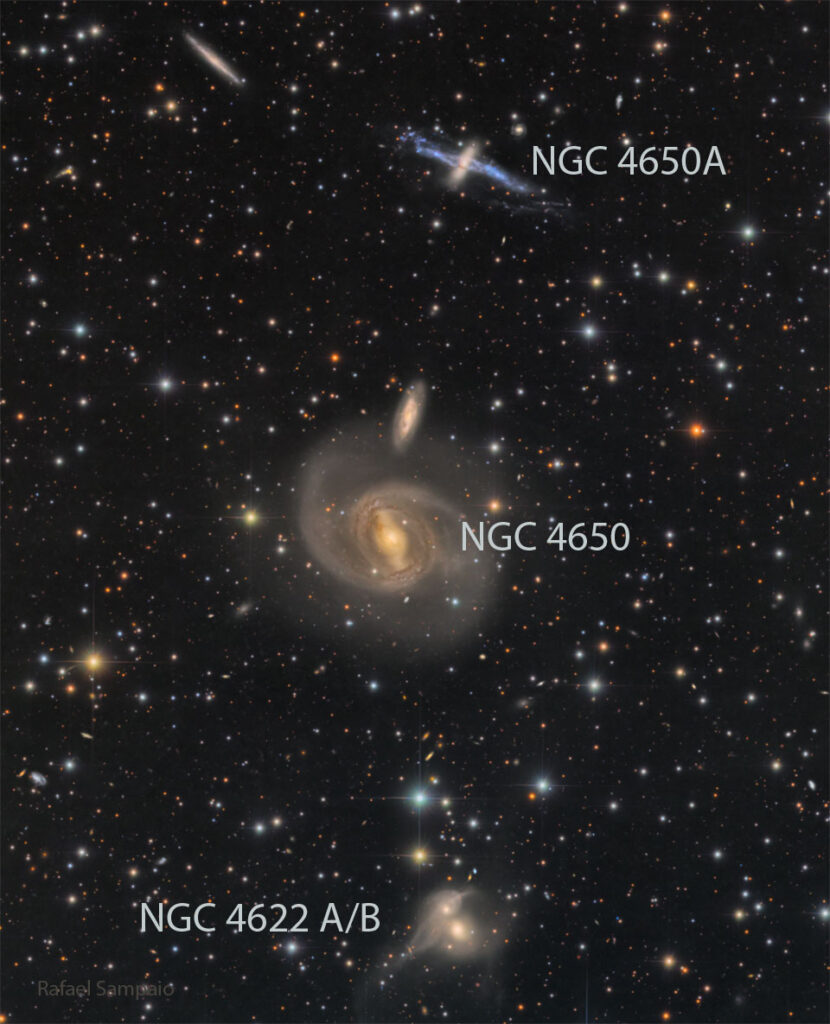
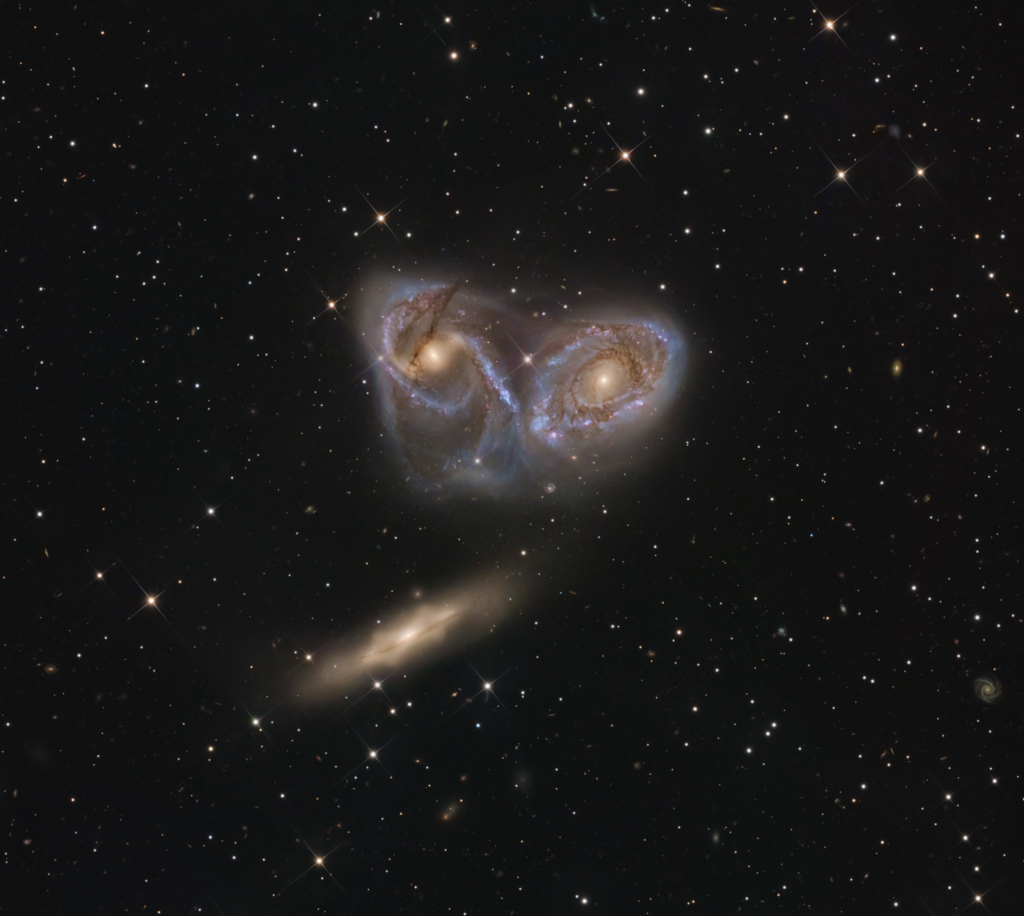
Three3GalaxyPairs_Sampaio_960_annotated
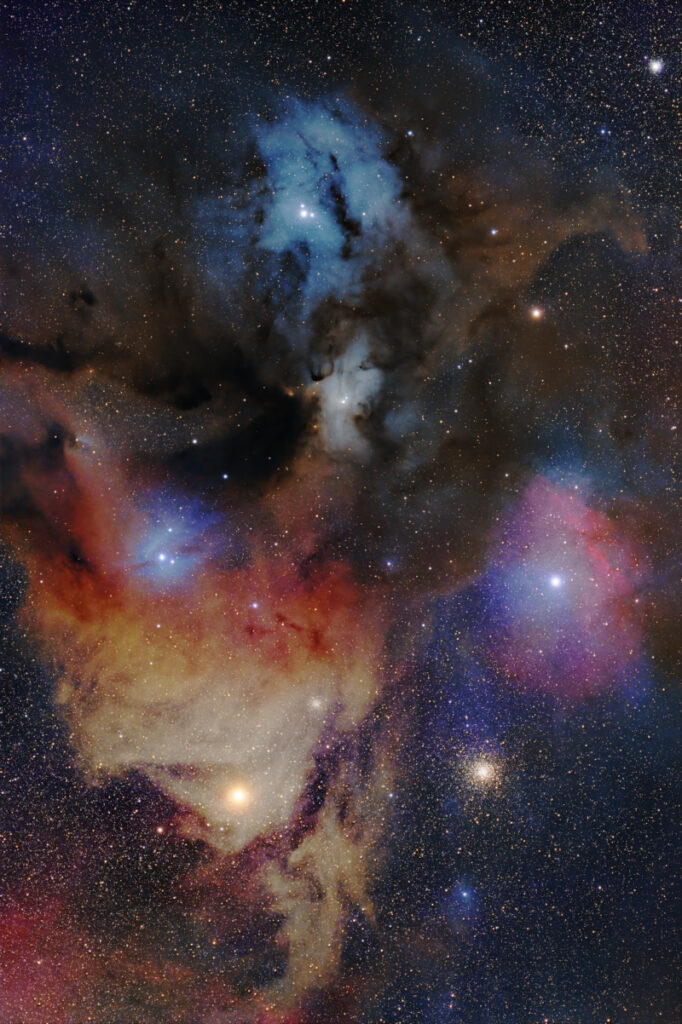
rho_ophiuchi_800
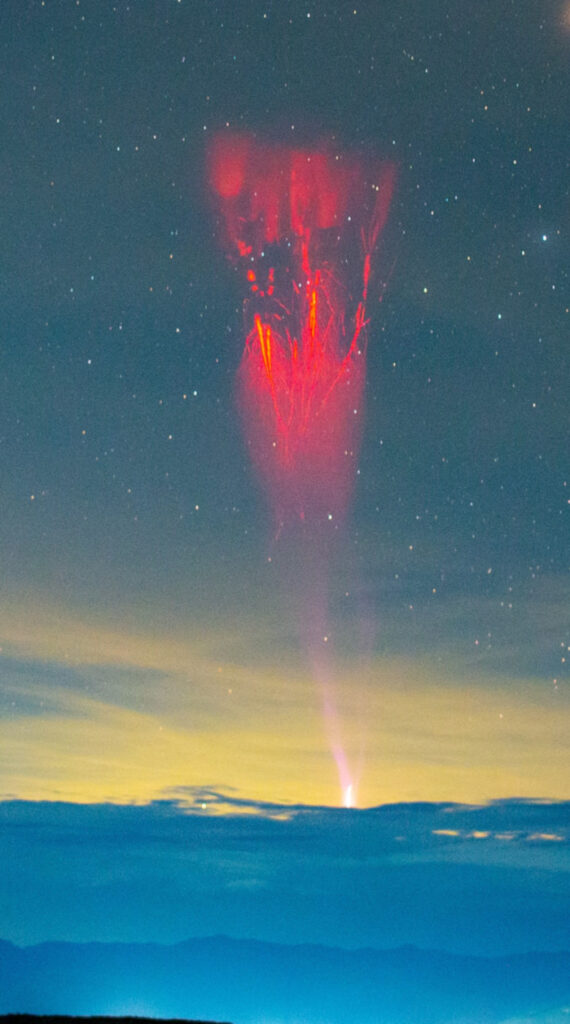
red_sprite_700
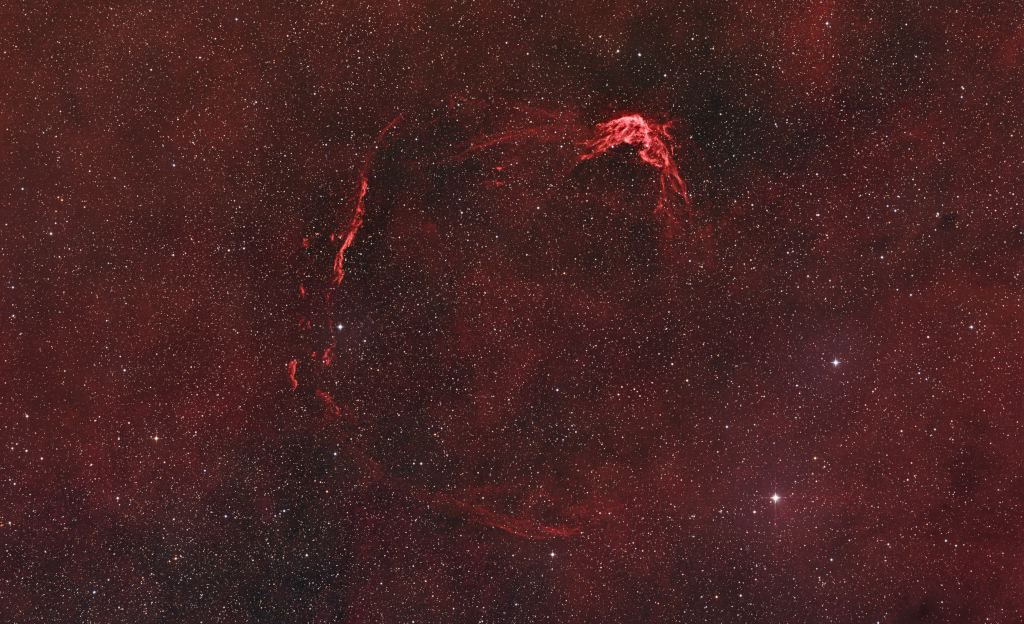
RCW86Final1024
Polarissima1024
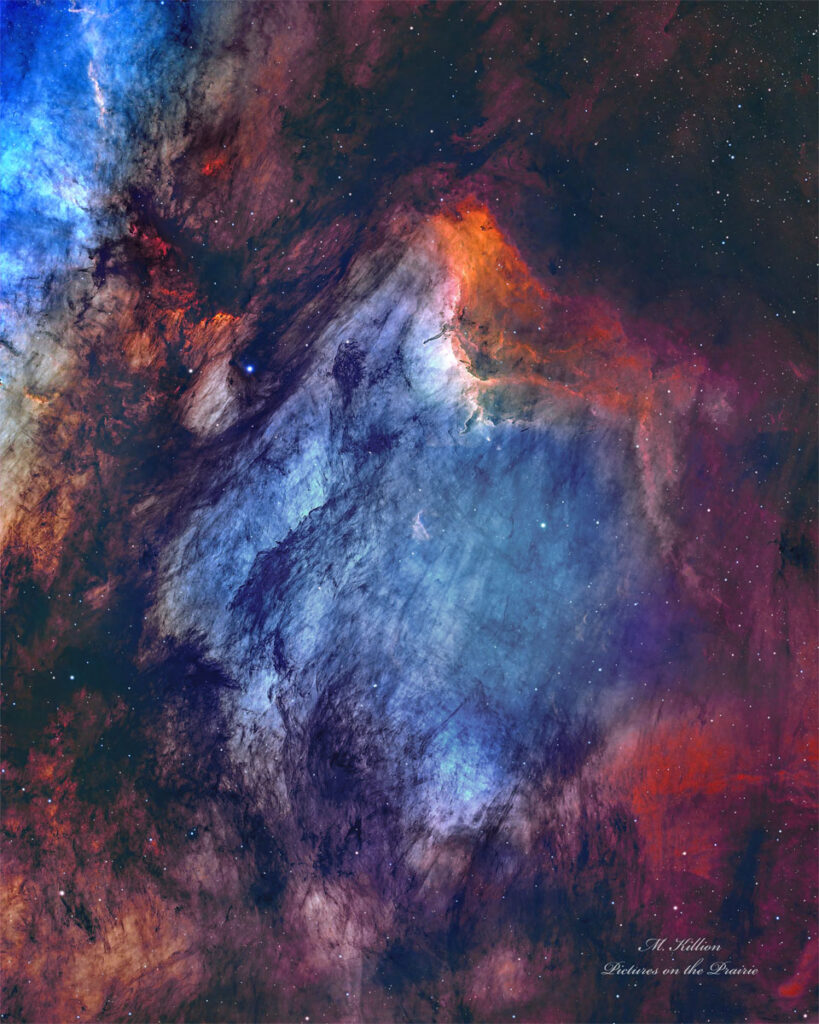
Pelican_Killion_960
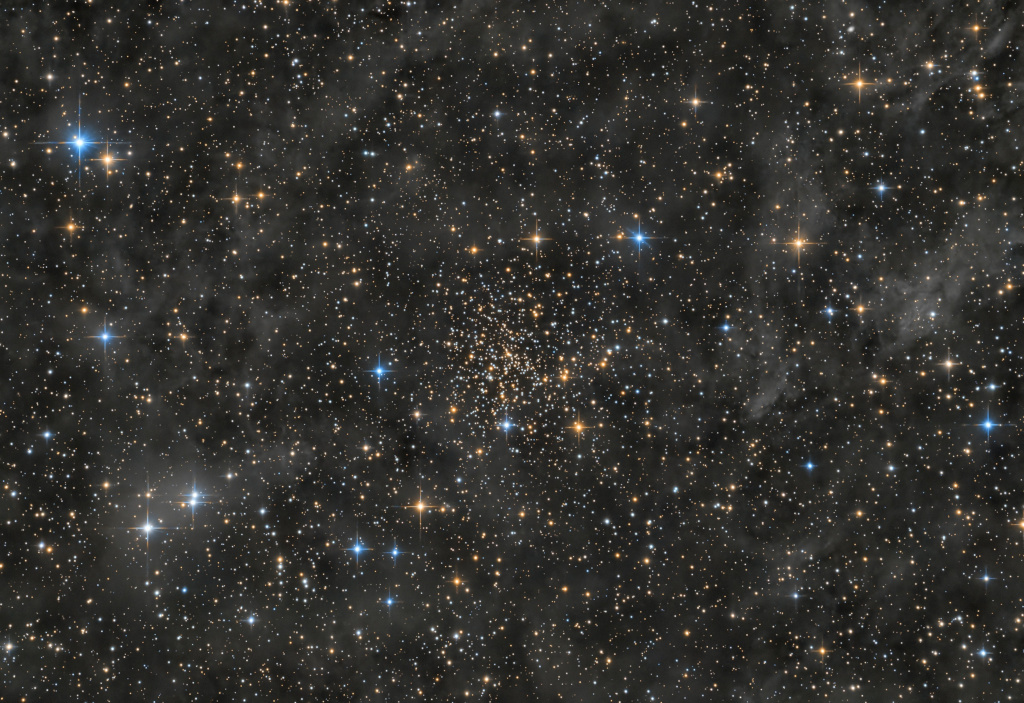
NGC6769LRGBcropAZ-1500-20-May-2026-1024
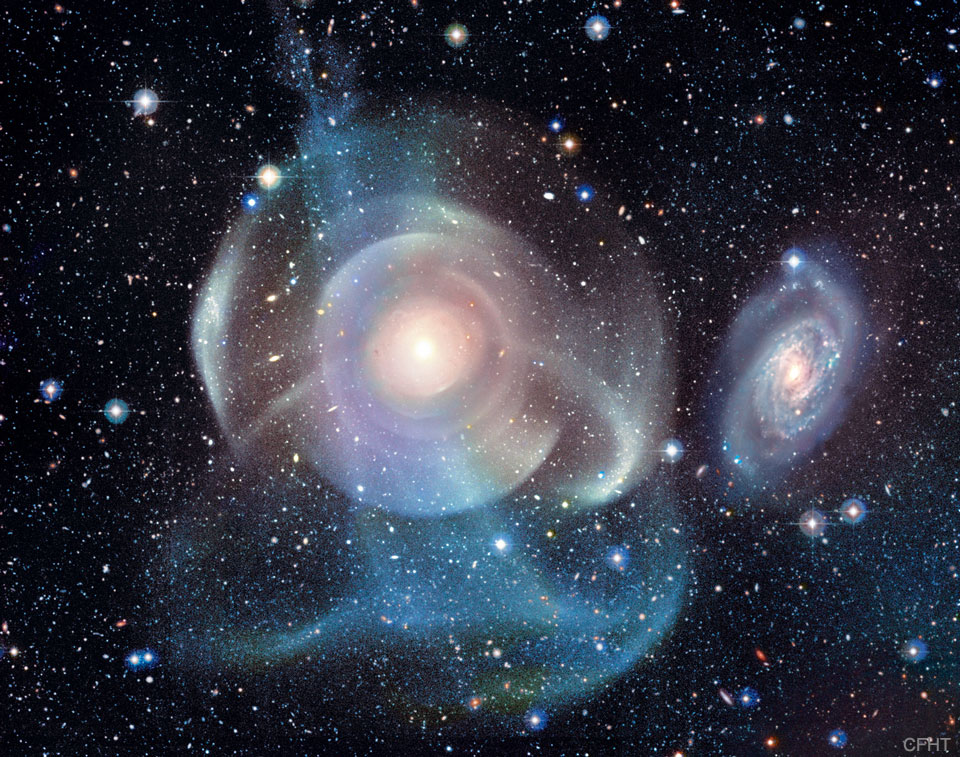
NGC474_CfhtCoelum_960
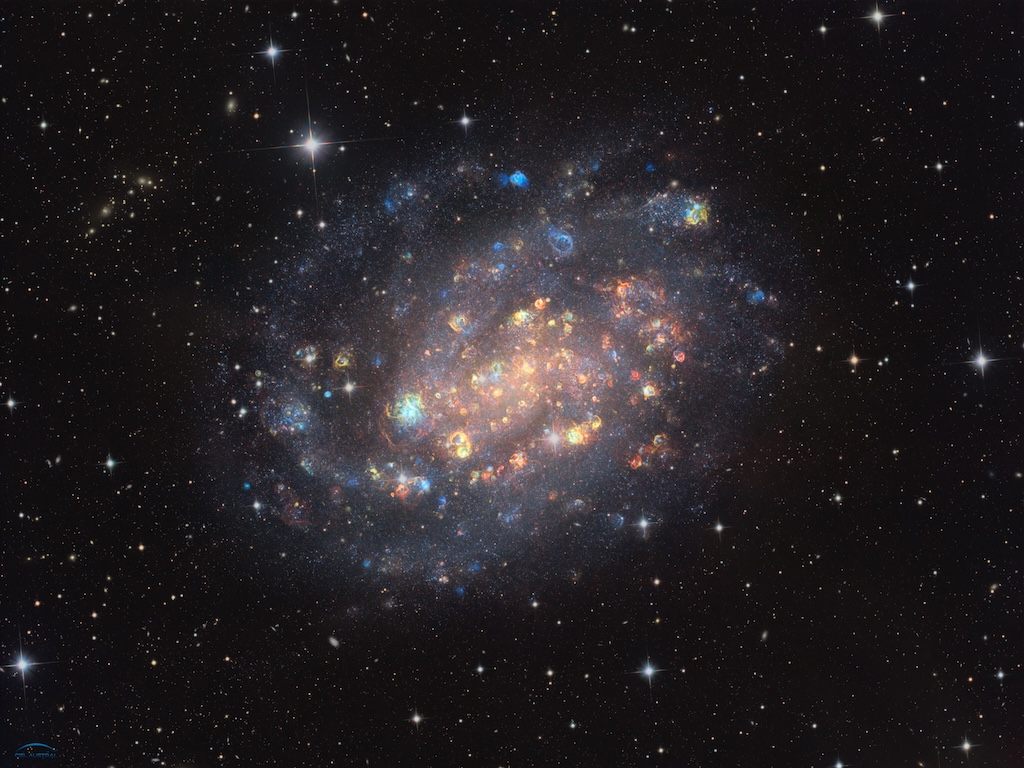
ngc300_1024
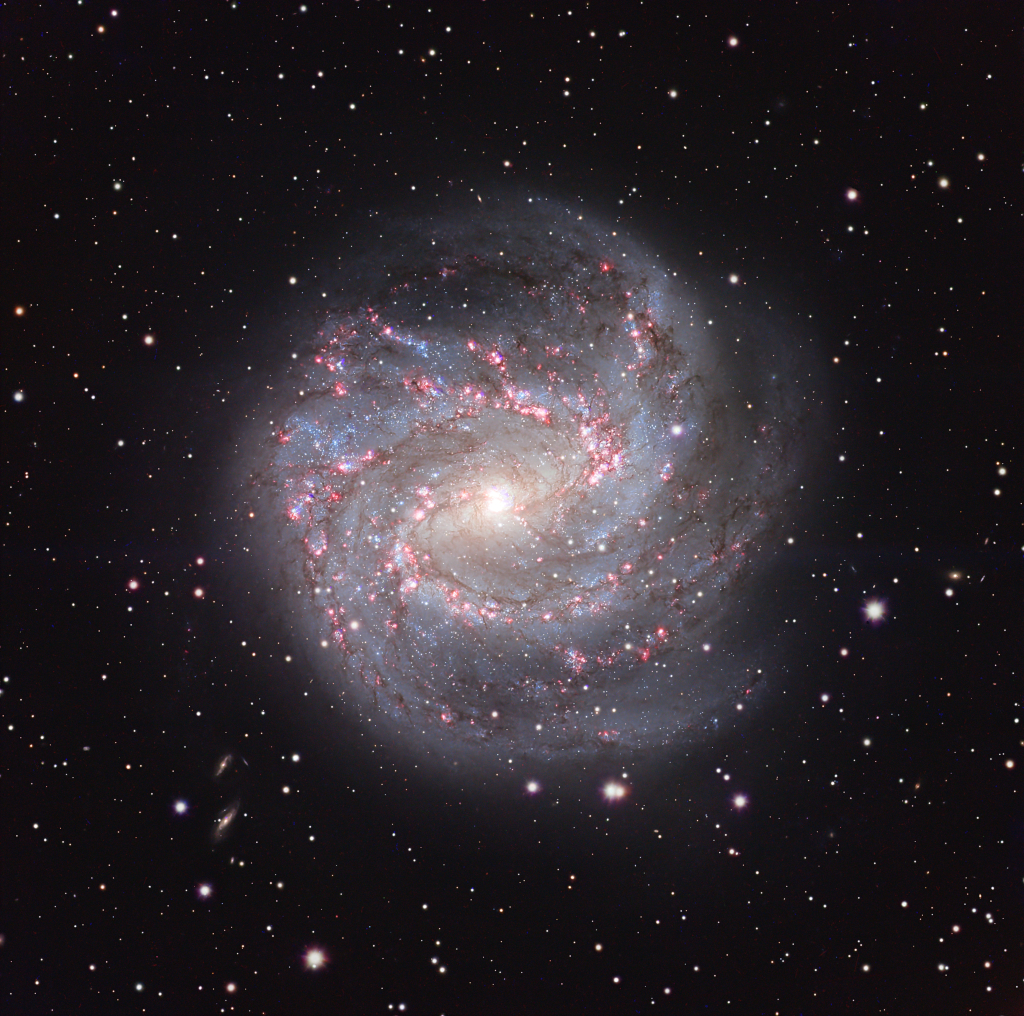
M83_Final2_1x1024
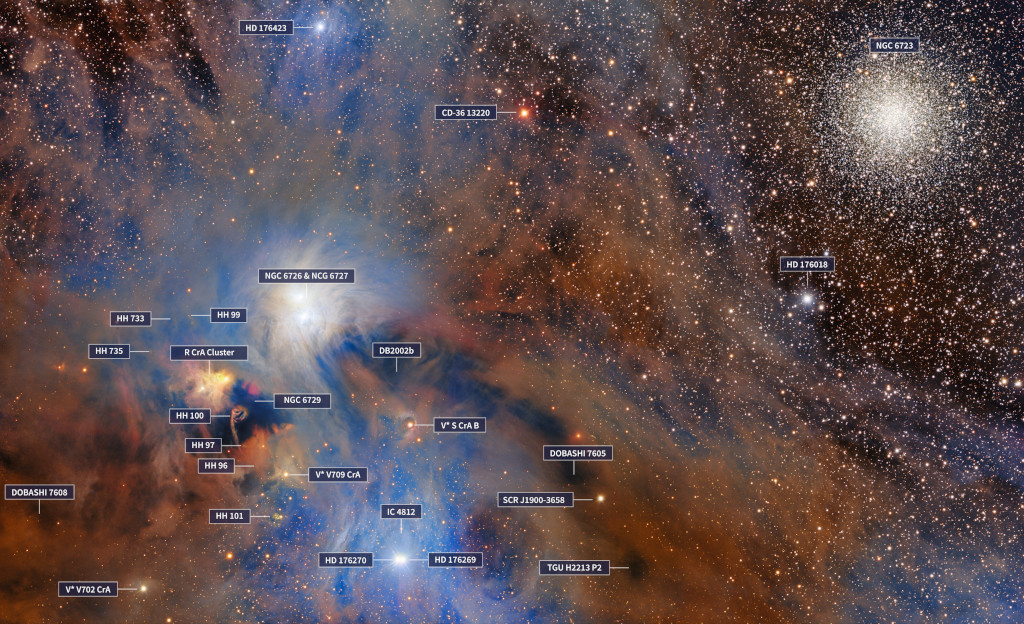
Corona Australis Molecular Cloud finder chartA vibrant view of the Corona Australis Molecular Cloud, one of the closest star-forming regions to Earth, reveals glowing nebulae, dark dust lanes, and newborn stars in a scene reminiscent of Van Gogh’s The Starry Night. At left, the young binary system R Coronae Australis illuminates surrounding gas and dust, while the glittering globular cluster NGC 6723 shines at upper right, far beyond the nearby stellar nursery. This image was captured by the 570-megapixel DOE-fabricated Dark Energy Camera (DECam), mounted on the NSF Víctor M. Blanco 4-meter Telescope at Cerro Tololo Inter-American Observatory (CTIO) in Chile.
Webb opens a Treasure Chest filled with starsThis NASA/ESA/CSA James Webb Space Telescope Picture of the Month takes us to a fantastical realm within our home galaxy, where piercing starlight and billowing winds sculpt dust clouds into inventive shapes. This scene is from the Carina Nebula, which lies just 7500 light-years away in the constellation Carina (the Keel). Spanning roughly 260 light-years, the nebula is home to an incredible collection of objects, including the Cosmic Cliffs revealed in the first-ever Webb image release. The Carina Nebula is also the nearest high-mass star-forming region that allows astronomers to study the full range of star formation. This nebula houses some of the most massive stars in our galaxy as well as tens of thousands of protostars, offering a valuable opportunity to understand how stars shape their neighbourhoods. The feature highlighted in today’s image, aptly called the Treasure Chest, looks right at home in this celestial sculpture garden. The Treasure Chest is what’s known as a cometary globule. A cometary globule is an isolated cloud of gas and dust with a dense, dark head and a sweeping tail. These clouds often somewhat resemble comets, but the Treasure Chest looks distinctly like a wooden chest with its lid wide open. However, this chest doesn’t contain jewels or gold coins, but instead a compact cluster of young stars. These stars are responsible for the otherworldly glow coming from within the Treasure Chest, revealed by Webb’s sensitive Near-Infrared Camera (NIRCam). Researchers estimate that the Treasure Chest’s cluster contains about 70 stars, the most massive of which is a rare O-type star roughly 19 times as massive as the Sun. The star cluster is likely around 1.3 million years old, though earlier estimates found it to be as young as just 100 000 years old. Because of its youth, the cluster is still deeply embedded within the dusty clouds of the Treasure Chest. The individual stars in the cluster are wrapped up in dust as well; astronomers have found evidence that many of these stars are surrounded by circumstellar discs. Over time, the brilliant starlight from these young stars will dissipate the surrounding cloud and reveal the entire cluster. The key to the Treasure Chest’s sculptural shape lies outside this image: just 39 light-years to the northwest, as measured on the sky, sits Eta Carinae, the most luminous object in the entire Carina Nebula. Eta Carinae is a star system containing at least two stars, one of which is 100 times as massive as the Sun. This star alone is about 5 million times as luminous as the Sun. Adding to this intense radiation is the nearby star cluster Trumpler 16, which also contains several extremely hot massive stars. The radiation and winds from these massive stars are largely responsible for the current appearance of the Treasure Chest, though the star cluster embedded within it is also eating away at the cloud from within. There’s some debate as to which came first, the cometary shape of the cloud or the star cluster it contains. The likeliest scenario suggests that the star cluster formed first in a cloud of gas that was larger than the Treasure Chest is today. Then, the powerful stellar feedback from nearby stars whisked away the less-dense gas, leaving behind only the denser gas that makes up the Treasure Chest. With Webb, astronomers have carried out an observing programme (#5408; PI: Reiter) dedicated to studying how young stars in the Carina Nebula collect gas from their surroundings and expel it through outflows. This programme is expected to reveal hundreds of jets from young stars — the largest such sample in a single star-forming region. These observations from Webb will help astronomers understand how young stars impact their environments, allowing them to craft spectacular scenes like this one. [Image Description: A region of space filled with bright stars and clouds of gas. In the centre, the densest clouds form the shape of a chest with its lid open. The chest appears to glow from within. At its base it breaks apart into long pillars of thick gas. Many of the gas clouds in the background are dark orange globules, while others form large, pale hazes. A few brightly shining stars lie in the foreground, the biggest and brightest in front of the chest’s lid.] Links Image on ESA website Pan Video Zoom Video
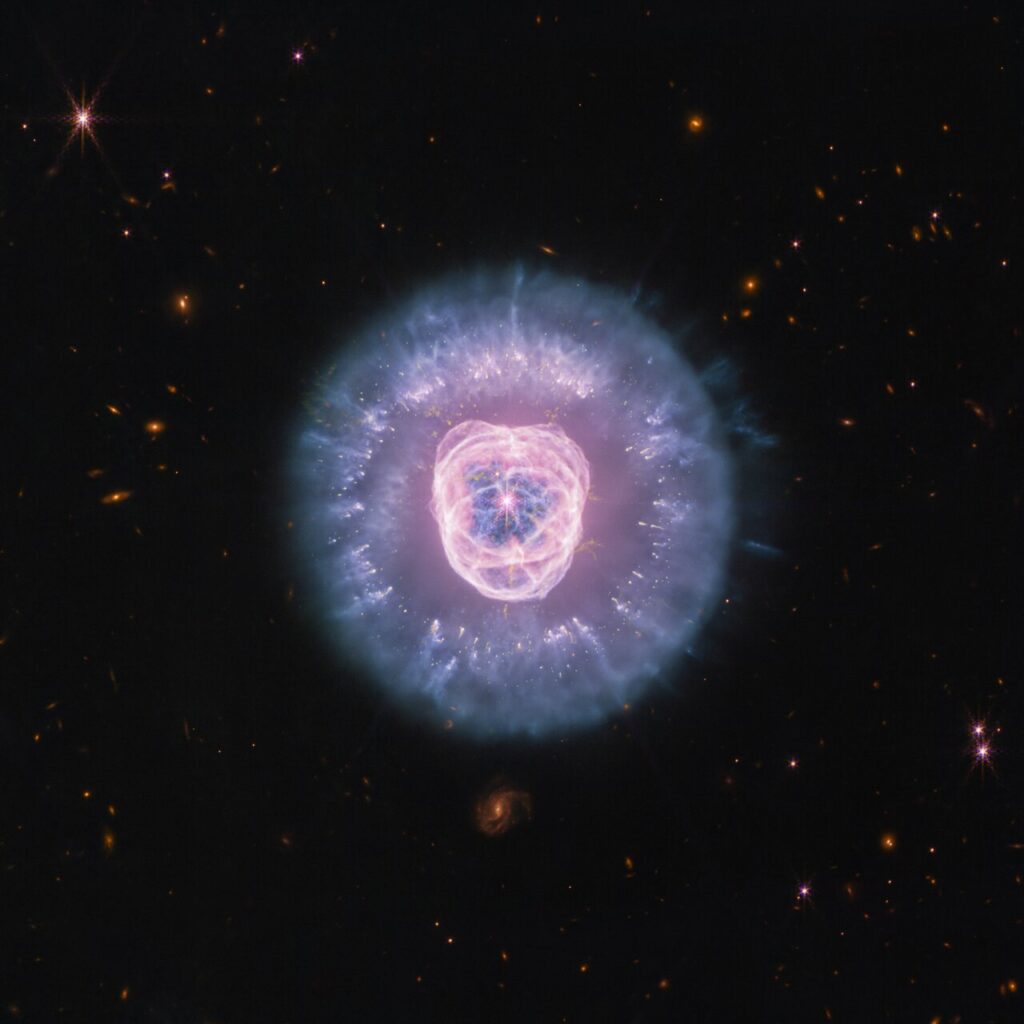
Lion Nebula (NIRCam + MIRI image)The James Webb Space Telescope recently imaged planetary nebula NGC 2392, which is nicknamed the Lion Nebula due to its distinct shape. This near- and mid-infrared composite image reveals the complex structure of the nebula, which has formed and continues to be sculpted by the remains of a dying star. The stellar core, also known as a white dwarf, is located at the centre and looks like the button nose of the lion. The central dying star is so hot that its radiation is “cooking” everything from the inside and producing a bubble of ionized hydrogen gas as it does. The gas bubble, which is the lion’s “face,” features cavernous shells and rings with tendrils that are expanding and destroying dust upon encounter. However, not all dust is obliterated from the scene. The lion’s mane is the interior of a dust shell that is being illuminated by the central star’s core. Within the mane some compact clumps of dust (red and orange) have managed to survive so far and are protecting the material that lies behind them. Additional clumps of molecular hydrogen appear yellow. The Lion Nebula is a snapshot in time. It’s taken several thousand years for the gas and dust to be shaped in this way, and it continues to change as the star drives away the material. Astronomers estimate NGC 2392 will eventually disperse in about 10,000 years, which is a relatively short period in astronomical terms. [Image description: Planetary nebula NGC 2392, also called the Lion Nebula, against the black background of space. The nebula is in the centre, circular in shape, and looks like a male lion’s head. In the very centre is a small, pinkish-white circle with eight-point diffraction spikes, a white dwarf star. Surrounding the star are light purple-pink cavernous bubbles and shell-like rings. The bubbles and shells collectively form an oval with two small, wide arcs near the top, reminiscent of a lion’s face and its ears. What appears to be extended outward from the lion’s face is
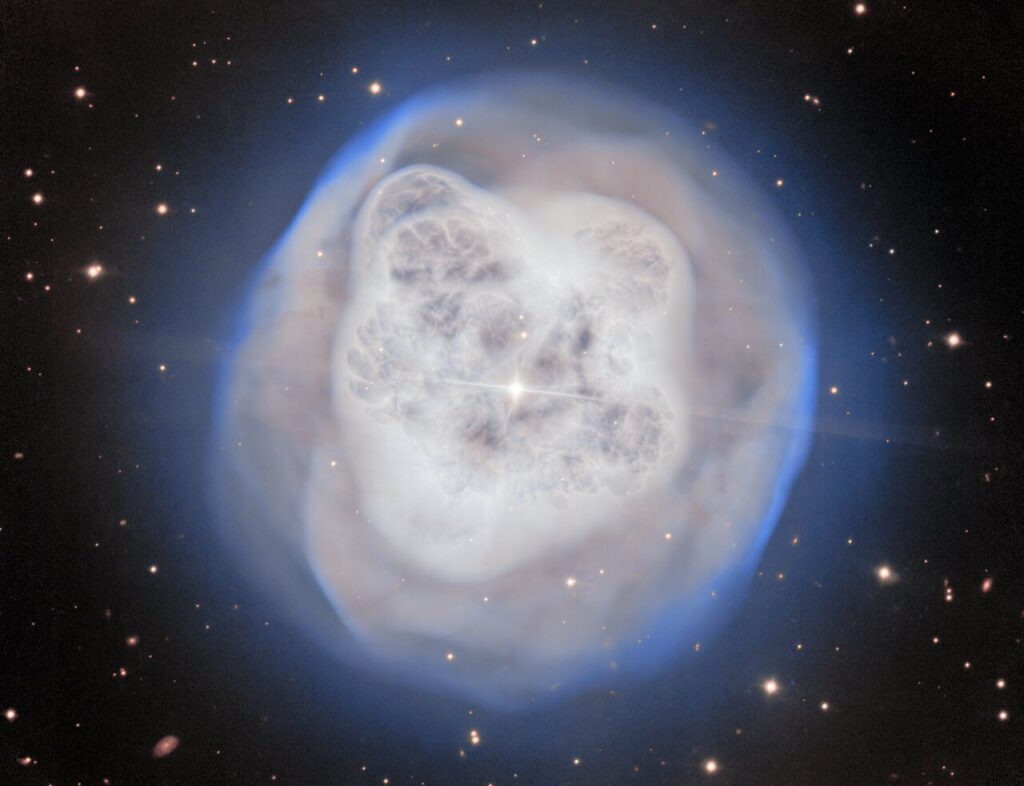
NGC 1514: The Crystal Ball NebulaThe 8.1-meter Gemini North telescope, located on the summit of Maunakea in Hawai‘i, has captured NGC 1514, nicknamed the Crystal Ball Nebula, in awe-inspiring detail. This nebula, with its mesmerizing glow of gas, harbors hints of a past stellar death, and its asymmetrical shell is now being shaped by the binary pair that lies at its center. Gemini North is one half of the International Gemini Observatory, partly funded by the U.S. National Science Foundation (NSF) and operated by NSF NOIRLab.
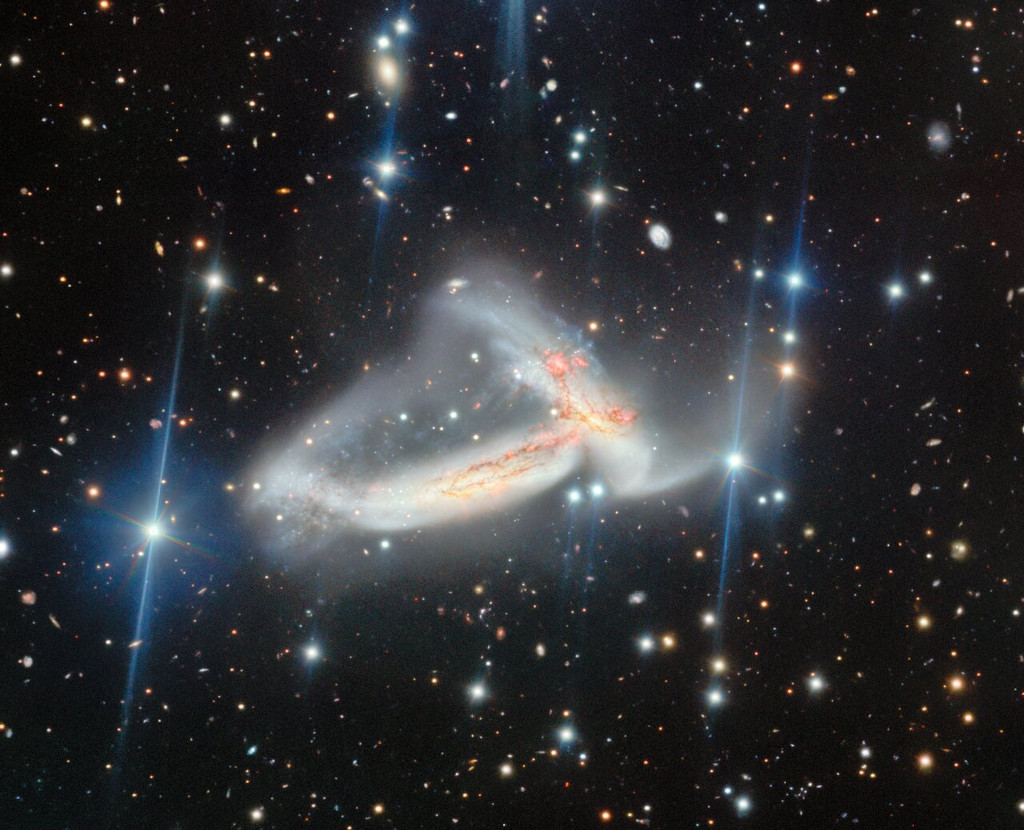
Nā ʻUhane Māhoe Huki Pū i ke OlaNā ʻUhane Māhoe Huki Pū i ke Ola is the Hawaiian name given to this image of NGC 7253 — a pair of spiral galaxies caught in each other’s gravity. This image was captured by the Gemini North telescope on Maunakea, one half of the International Gemini Observatory, partly funded by the U.S. National Science Foundation (NSF) and operated by NSF NOIRLab. The name of the image, which translates to “The Twin Spirits Pulling Together Creating Life,” was chosen by the 2026 Project Hōkūlani interns.

![This NASA/ESA/CSA James Webb Space Telescope Picture of the Month takes us to a fantastical realm within our home galaxy, where piercing starlight and billowing winds sculpt dust clouds into inventive shapes. This scene is from the Carina Nebula, which lies just 7500 light-years away in the constellation Carina (the Keel). Spanning roughly 260 light-years, the nebula is home to an incredible collection of objects, including the Cosmic Cliffs revealed in the first-ever Webb image release. The Carina Nebula is also the nearest high-mass star-forming region that allows astronomers to study the full range of star formation. This nebula houses some of the most massive stars in our galaxy as well as tens of thousands of protostars, offering a valuable opportunity to understand how stars shape their neighbourhoods. The feature highlighted in today’s image, aptly called the Treasure Chest, looks right at home in this celestial sculpture garden. The Treasure Chest is what’s known as a cometary globule. A cometary globule is an isolated cloud of gas and dust with a dense, dark head and a sweeping tail. These clouds often somewhat resemble comets, but the Treasure Chest looks distinctly like a wooden chest with its lid wide open. However, this chest doesn’t contain jewels or gold coins, but instead a compact cluster of young stars. These stars are responsible for the otherworldly glow coming from within the Treasure Chest, revealed by Webb’s sensitive Near-Infrared Camera (NIRCam). Researchers estimate that the Treasure Chest’s cluster contains about 70 stars, the most massive of which is a rare O-type star roughly 19 times as massive as the Sun. The star cluster is likely around 1.3 million years old, though earlier estimates found it to be as young as just 100 000 years old. Because of its youth, the cluster is still deeply embedded within the dusty clouds of the Treasure Chest. The individual stars in the cluster are wrapped up in dust as well; astronomers have found evidence that many of these stars are surrounded by circumstellar discs. Over time, the brilliant starlight from these young stars will dissipate the surrounding cloud and reveal the entire cluster. The key to the Treasure Chest’s sculptural shape lies outside this image: just 39 light-years to the northwest, as measured on the sky, sits Eta Carinae, the most luminous object in the entire Carina Nebula. Eta Carinae is a star system containing at least two stars, one of which is 100 times as massive as the Sun. This star alone is about 5 million times as luminous as the Sun. Adding to this intense radiation is the nearby star cluster Trumpler 16, which also contains several extremely hot massive stars. The radiation and winds from these massive stars are largely responsible for the current appearance of the Treasure Chest, though the star cluster embedded within it is also eating away at the cloud from within. There’s some debate as to which came first, the cometary shape of the cloud or the star cluster it contains. The likeliest scenario suggests that the star cluster formed first in a cloud of gas that was larger than the Treasure Chest is today. Then, the powerful stellar feedback from nearby stars whisked away the less-dense gas, leaving behind only the denser gas that makes up the Treasure Chest. With Webb, astronomers have carried out an observing programme (#5408; PI: Reiter) dedicated to studying how young stars in the Carina Nebula collect gas from their surroundings and expel it through outflows. This programme is expected to reveal hundreds of jets from young stars — the largest such sample in a single star-forming region. These observations from Webb will help astronomers understand how young stars impact their environments, allowing them to craft spectacular scenes like this one. [Image Description: A region of space filled with bright stars and clouds of gas. In the centre, the densest clouds form the shape of a chest with its lid open. The chest appears to glow from within. At its base it breaks apart into long pillars of thick gas. Many of the gas clouds in the background are dark orange globules, while others form large, pale hazes. A few brightly shining stars lie in the foreground, the biggest and brightest in front of the chest’s lid.] Links Image on ESA website Pan Video Zoom Video](https://www.giornaletecnologico.net/wp-content/uploads/2026/09/JWST_Treasure_Chest_800-748x1024.jpg)